The Scale-Up Equation: Venture Methodology Meets Operational Reality
"The gap between promising startup and enduring scale-up isn't bridged by strategy decks or consultant workshops. It requires embedding venture-building DNA into operational architecture. A discipline many founders master too late, if at all."
Startups & Scaleups Supported
Startups and scale-ups supported through consulting & accelerators
Month Client Waitlist
Client backlog built through multi-channel acquisition strategy at Propelia
SaaS Cost Reduction
Savings made through SaaS recalibration at KMI
""The gap between promising startup and enduring scale-up isn't bridged by strategy decks or consultant workshops. It requires embedding venture-building DNA into operational architecture. A discipline many founders master too late, if at all."
"
The Brief
Why rapid growth becomes a scaling ceiling
The Godwin Group was bleeding £320k every month in overheads and CoS. The 'cost of doing business' the old way. Their corporate financing operations had grown organically, accumulating layers of inefficiency like geological sediment. Each new client brought fresh complexity. Each process spawned three more. What began as streamlined flexibility had calcified and bloated into unnecessary costs and operational chaos.
They were far from unique in either the corporate or startup space. Across London's venture ecosystem in 2017, a familiar pattern emerged: companies hitting £2-5 million in revenue at staggering YoY growth rates, then stalling. I had first hand experience of this at Crowdcube. It was the story of our revenue journey as well. You can think of it as technical debt, but in human systems. Brilliant founders who'd mastered the 0-1 journey found themselves drowning in the operational complexity of 1-100 scale or trying to get from 1-100 using the existing 0-1 ops playbook.
"The most dangerous moment for any growing company comes when founders mistake rapid, early growth for operational maturity. That's when the real, hard work begins."
The traditional response involved strategy consultants armed with PowerPoint decks and three-month engagements. They'd diagnose problems, recommend solutions, then disappear—leaving founder teams to navigate implementation alone. Meanwhile, the bleeding continued. The plateau persisted. The gap between startup velocity and scale-up sustainability widened.
From my perch at Crowdcube, watching 1,300+ startups navigate growth challenges, a different pattern became clear. The companies that broke through combined venture-building methodology with operational discipline. They approached scaling with the same systematic rigour they'd applied to finding product-market fit. Most crucially, they embedded this discipline into their organisational DNA rather than treating it as an external service.
This realisation sparked Xponential Spark: a strategic consultancy designed to install venture-building operating systems in scaling organisations. Not through traditional consulting theatre, but by embedding directly within leadership teams to co-build sustainable capabilities. Over four years, this approach and my accelerator engagements would help transform 250+ startups and corporates, from bleeding overhead to profitable scale.
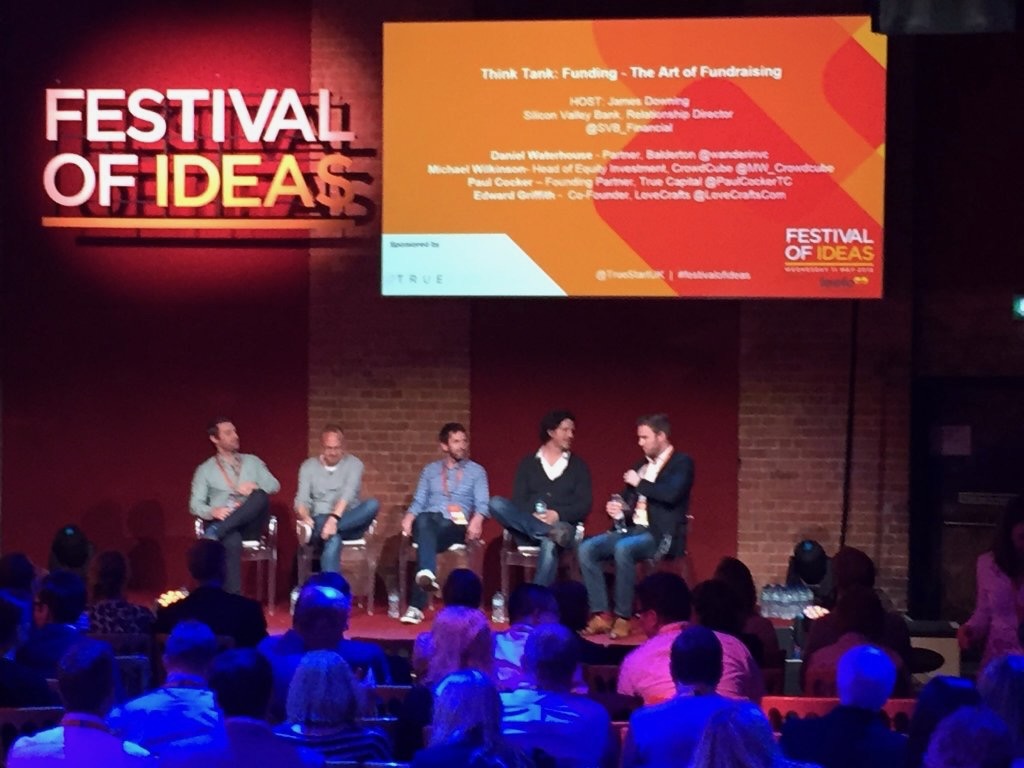
Me speaking on venture navigation with Balderton & True Capital
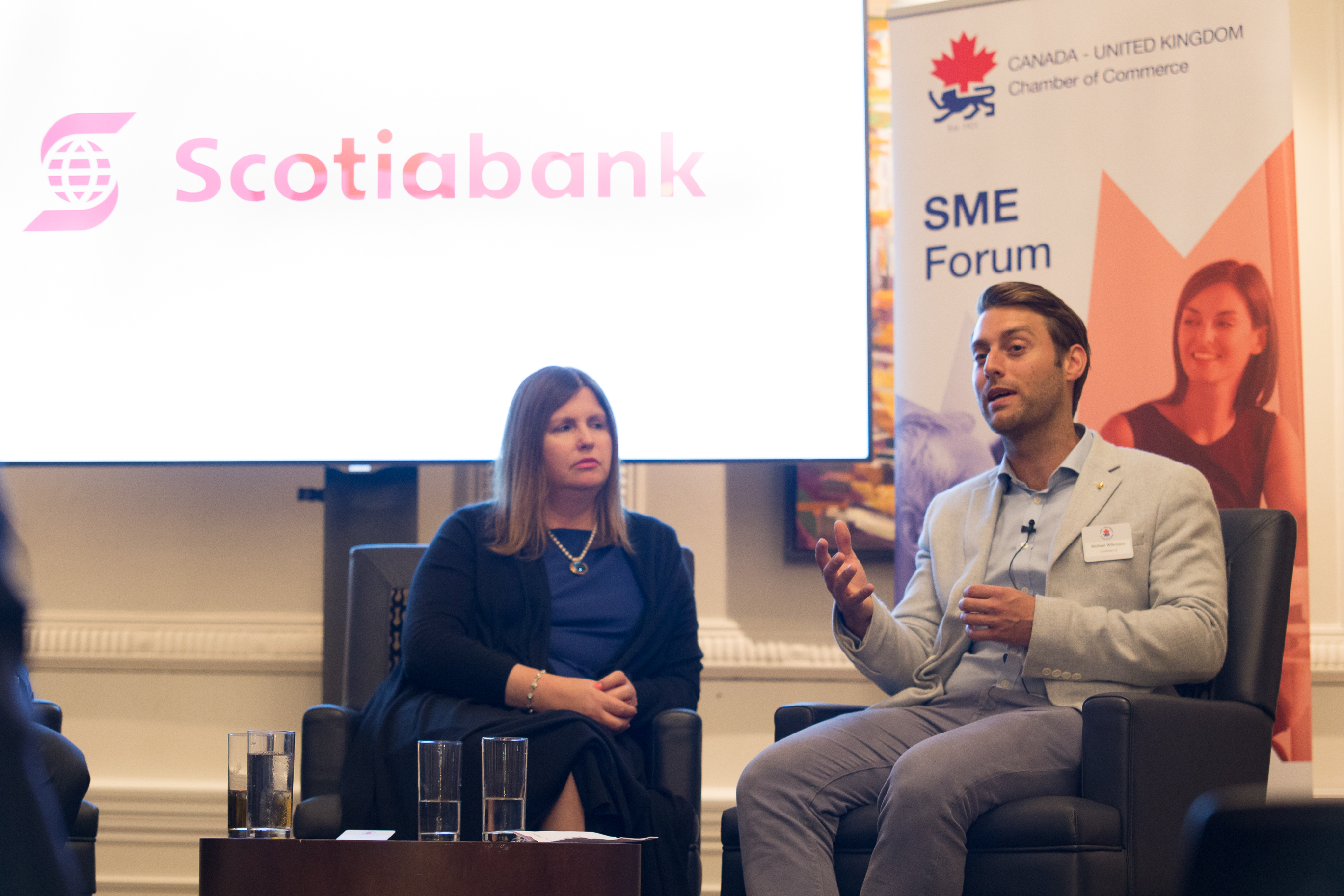
Speaking at the SME Forum at Canada Chamber of Commerce

Reading my talking points before the TV cameras start rolling
The Brief
Why rapid growth becomes a scaling ceiling
Me speaking on venture navigation with Balderton & True Capital
Speaking at the SME Forum at Canada Chamber of Commerce
Reading my talking points before the TV cameras start rolling
The Godwin Group was bleeding £320k every month in overheads and CoS. The 'cost of doing business' the old way. Their corporate financing operations had grown organically, accumulating layers of inefficiency like geological sediment. Each new client brought fresh complexity. Each process spawned three more. What began as streamlined flexibility had calcified and bloated into unnecessary costs and operational chaos.
They were far from unique in either the corporate or startup space. Across London's venture ecosystem in 2017, a familiar pattern emerged: companies hitting £2-5 million in revenue at staggering YoY growth rates, then stalling. I had first hand experience of this at Crowdcube. It was the story of our revenue journey as well. You can think of it as technical debt, but in human systems. Brilliant founders who'd mastered the 0-1 journey found themselves drowning in the operational complexity of 1-100 scale or trying to get from 1-100 using the existing 0-1 ops playbook.
"The most dangerous moment for any growing company comes when founders mistake rapid, early growth for operational maturity. That's when the real, hard work begins."
The traditional response involved strategy consultants armed with PowerPoint decks and three-month engagements. They'd diagnose problems, recommend solutions, then disappear—leaving founder teams to navigate implementation alone. Meanwhile, the bleeding continued. The plateau persisted. The gap between startup velocity and scale-up sustainability widened.
From my perch at Crowdcube, watching 1,300+ startups navigate growth challenges, a different pattern became clear. The companies that broke through combined venture-building methodology with operational discipline. They approached scaling with the same systematic rigour they'd applied to finding product-market fit. Most crucially, they embedded this discipline into their organisational DNA rather than treating it as an external service.
This realisation sparked Xponential Spark: a strategic consultancy designed to install venture-building operating systems in scaling organisations. Not through traditional consulting theatre, but by embedding directly within leadership teams to co-build sustainable capabilities. Over four years, this approach and my accelerator engagements would help transform 250+ startups and corporates, from bleeding overhead to profitable scale.
The Approach
Installing venture-building operating systems at scale
The Knowledge Management Institute's leadership team gathered around a laptop littered with bit part spreadsheets trying to make sense of their costs. Eighteen different SaaS subscriptions. Four overlapping project management systems. Monthly objectives that shifted with every market fluctuation. For the first time in company history, they'd missed every quarterly target. Their CEO had tried everything: hiring consultants, implementing frameworks, restructuring teams. Nothing stuck. They needed surgery, not a plaster...a complete ops architecture redesign.
Our approach began with the embedding methodology: co-building capabilities rather than delivering recommendations. Rather than analysing from the outside, we integrated directly with their leadership team, attending every strategic meeting, participating in every decision cycle. This wasn't consulting; it was operational partnership with a clear transfer protocol. The sprint-based operational design came next. These were six-week intensive cycles, adapted from Y Combinator playbooks but scaled for corporate environments. Each sprint focused on one system: first SaaS rationalisation, then OKR implementation, finally process automation.
"Sustainable transformation requires building internal capability, not external dependency. The goal is to make yourself obsolete."
A human-centred framework guided our decisions. Desirability (does the team want this?), feasibility (can we build this?), viability (will this drive outcomes?). Installing OKR cultural architecture required the most delicate work. The Institute's team had grown comfortable with shifting priorities and qualitative progress reports. Moving to metrics-driven decision-making meant rewiring organisational habits developed over years. We built custom Notion architectures that visualised progress, automated reporting, and connected daily tasks to quarterly objectives.
The breakthrough came in month four. For the first time in company history, the Institute hit 70% of their monthly OKRs. SaaS spending had dropped 41% through systematic consolidation. More importantly, the team had developed internal capability to maintain and evolve these systems without external support. The transfer protocol had succeeded.
This combination of embedding, sprinting, and transferring became our signature approach. Traditional consultants optimise for billable hours and continual ongoing phases of projects year after year. We optimised for client independence.
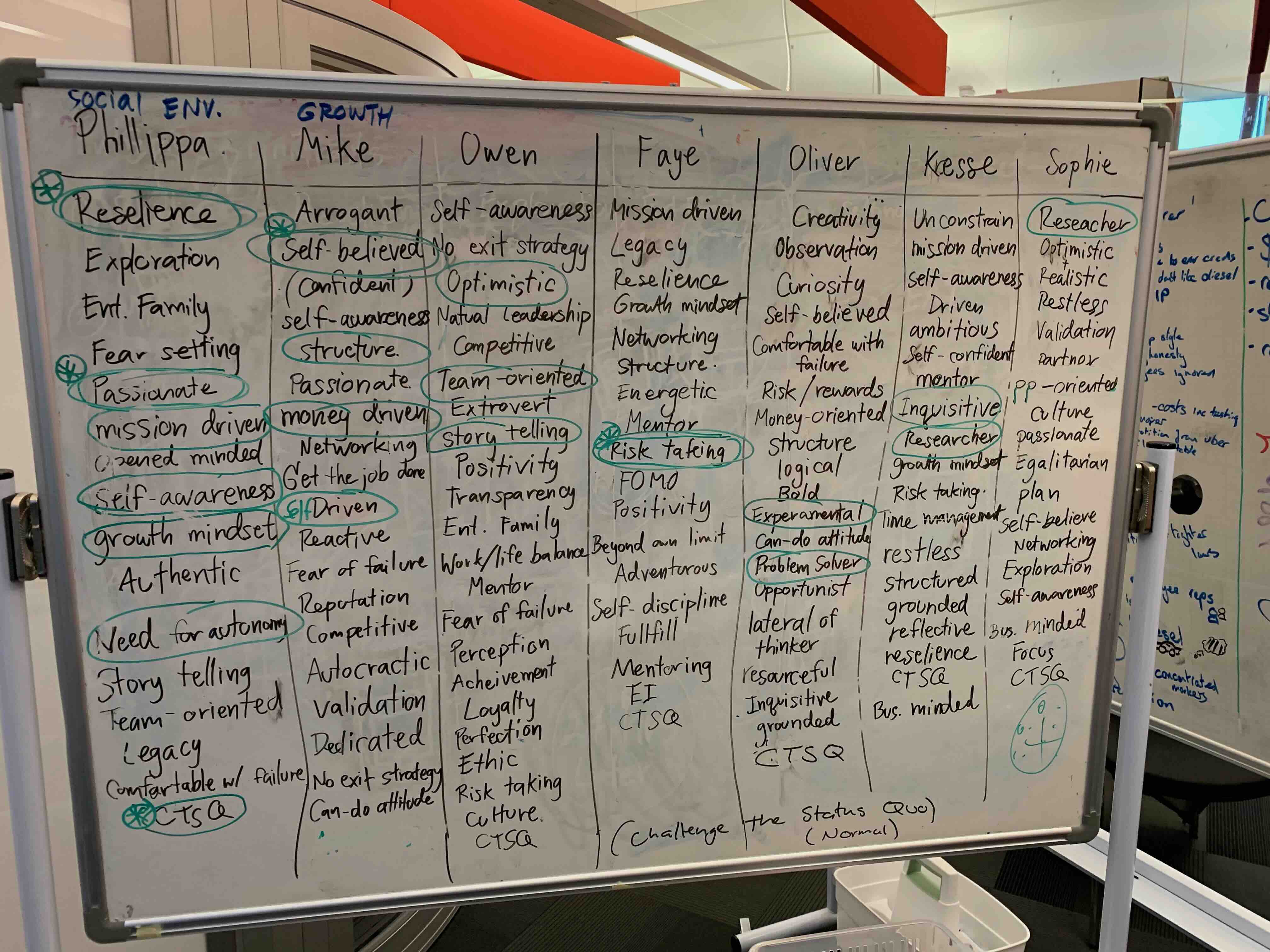
Our human centred approach started by understanding who everyone was and what they 'desired'
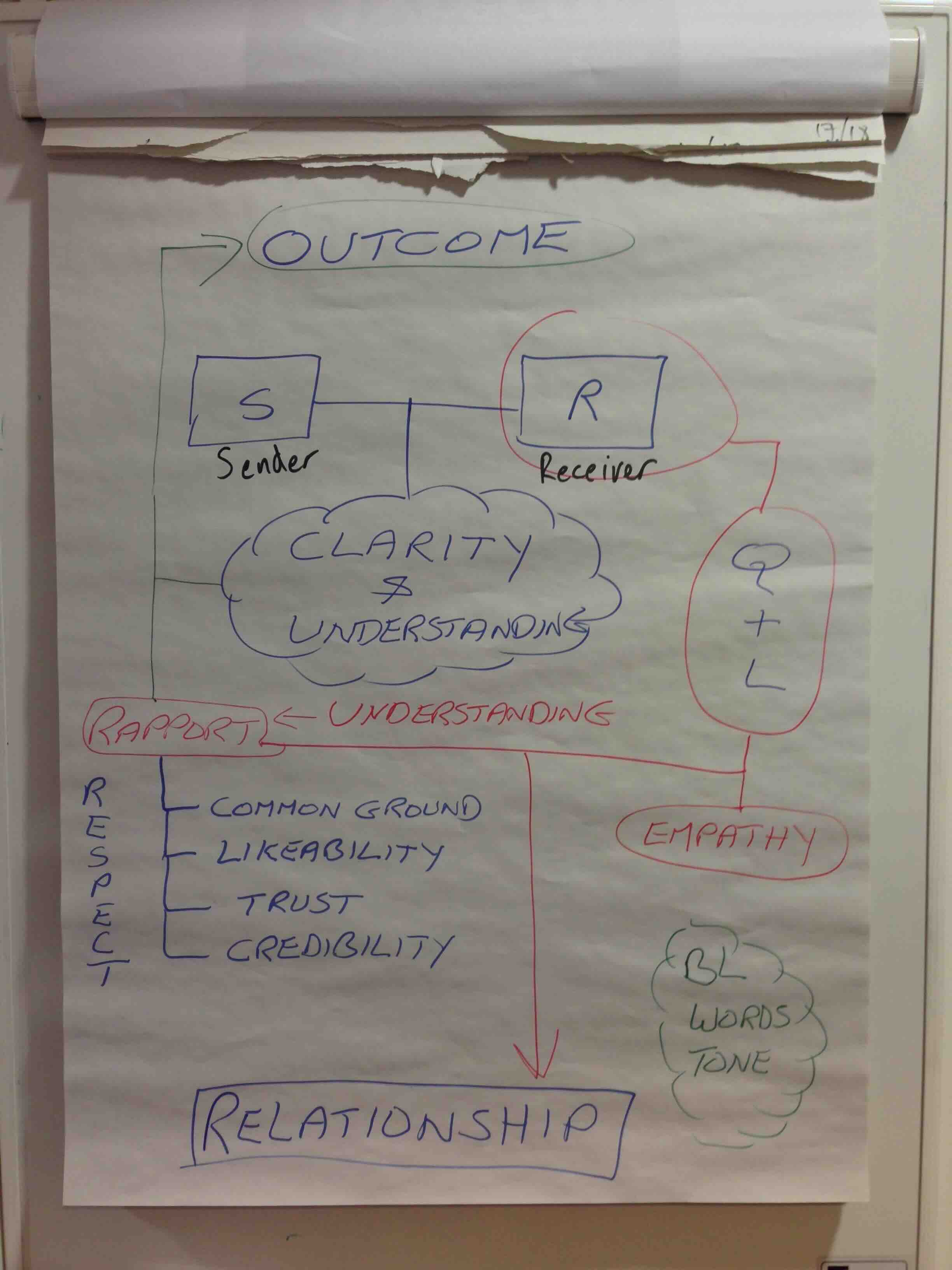
Upskilling the sales leadership team on consultative selling
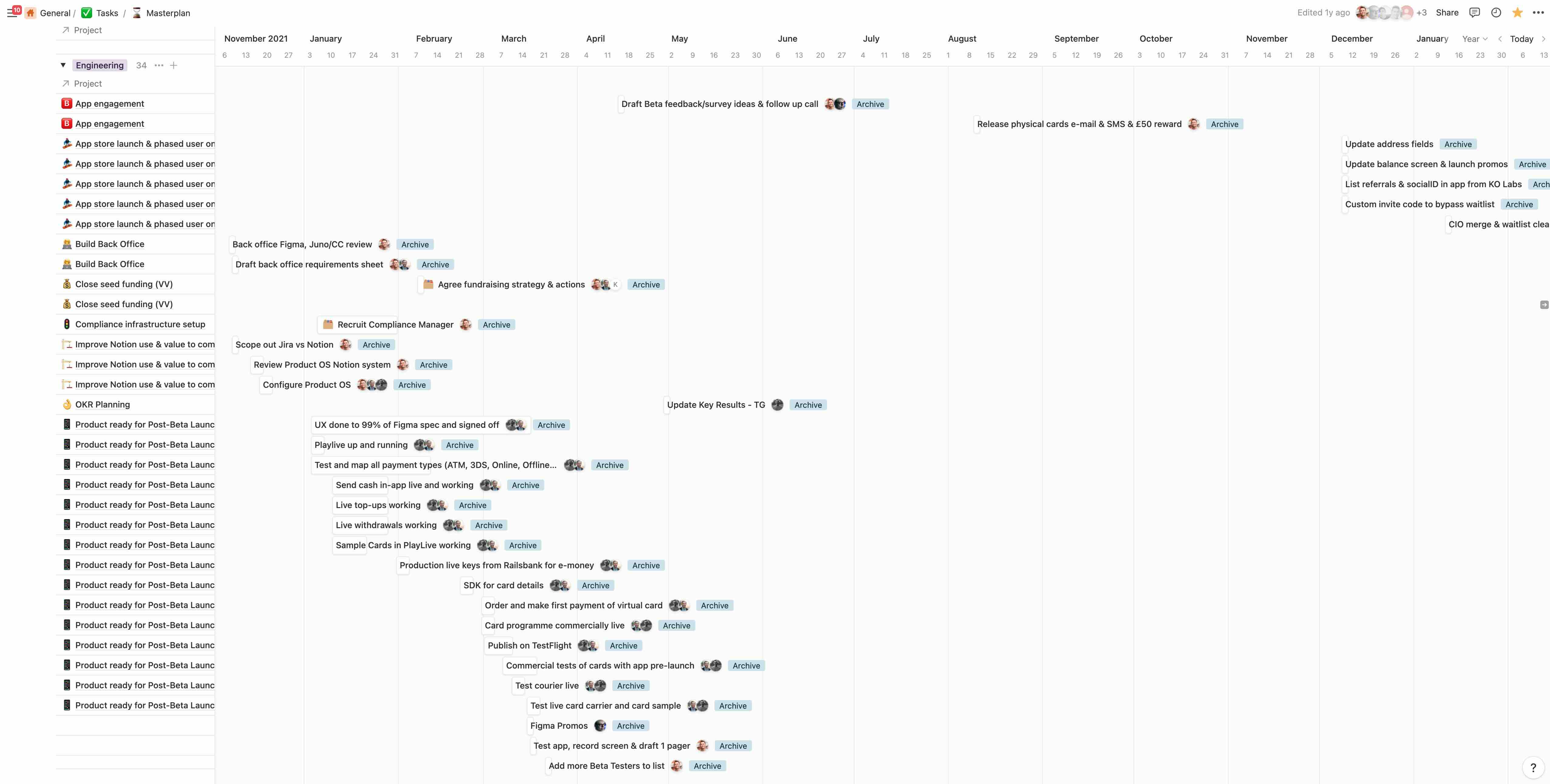
Building out their custom Notion OKR and masterplan architecture
The Approach
Installing venture-building operating systems at scale
Our human centred approach started by understanding who everyone was and what they 'desired'
Upskilling the sales leadership team on consultative selling
Building out their custom Notion OKR and masterplan architecture
The Knowledge Management Institute's leadership team gathered around a laptop littered with bit part spreadsheets trying to make sense of their costs. Eighteen different SaaS subscriptions. Four overlapping project management systems. Monthly objectives that shifted with every market fluctuation. For the first time in company history, they'd missed every quarterly target. Their CEO had tried everything: hiring consultants, implementing frameworks, restructuring teams. Nothing stuck. They needed surgery, not a plaster...a complete ops architecture redesign.
Our approach began with the embedding methodology: co-building capabilities rather than delivering recommendations. Rather than analysing from the outside, we integrated directly with their leadership team, attending every strategic meeting, participating in every decision cycle. This wasn't consulting; it was operational partnership with a clear transfer protocol. The sprint-based operational design came next. These were six-week intensive cycles, adapted from Y Combinator playbooks but scaled for corporate environments. Each sprint focused on one system: first SaaS rationalisation, then OKR implementation, finally process automation.
"Sustainable transformation requires building internal capability, not external dependency. The goal is to make yourself obsolete."
A human-centred framework guided our decisions. Desirability (does the team want this?), feasibility (can we build this?), viability (will this drive outcomes?). Installing OKR cultural architecture required the most delicate work. The Institute's team had grown comfortable with shifting priorities and qualitative progress reports. Moving to metrics-driven decision-making meant rewiring organisational habits developed over years. We built custom Notion architectures that visualised progress, automated reporting, and connected daily tasks to quarterly objectives.
The breakthrough came in month four. For the first time in company history, the Institute hit 70% of their monthly OKRs. SaaS spending had dropped 41% through systematic consolidation. More importantly, the team had developed internal capability to maintain and evolve these systems without external support. The transfer protocol had succeeded.
This combination of embedding, sprinting, and transferring became our signature approach. Traditional consultants optimise for billable hours and continual ongoing phases of projects year after year. We optimised for client independence.
The Breakthrough
When interim leadership accelerated everything
Koodoo Global's blockchain payment platform had promise but no operational foundation. The UN Sustainable Development Goals aligned startup needed someone to rebuild everything: team structure, product vision, go-to-market strategy, even basic company culture. A traditional consulting engagement would take months just to understand the complexity. Instead, I stepped in as interim CEO, combining our methodology with executive authority. In my opinion, this hybrid approach unlocked transformation velocity impossible through external consulting relationships alone and became a new playbook for future engagements.
The organisational restructure came first. Rather than analysing org charts from the sidelines, I could make immediate decisions about team composition, reporting structures, and role clarity. Within six weeks, we'd rightsized the team for sustainable growth and hired strategically for market expansion across three continents. Blockchain payment infrastructure required both technical sophistication and regulatory compliance, exactly the combination that kills most fintech startups. My Crowdcube experience with FCA frameworks proved invaluable. While maintaining startup velocity, we built exchange APIs and tokenised smart contracts that met institutional compliance standards. The platform launched across fiat and crypto simultaneously.
"Strategy without execution remains theoretical, and useless."
The metrics-driven culture installation followed. MixPanel for user analytics, Zoho for customer management, Asana for project coordination, HubSpot for sales pipeline, but integrated through human processes rather than hoping technology would solve organisational problems. Most importantly, this interim approach allowed real-time methodology validation from both sides of the table. Rather than recommending OKR implementation, I could install and iterate based on team response. Instead of suggesting process improvements, I could implement and measure results immediately. The feedback loops were incredibly helpful in shaping our approach allowing me to try out our own methodologies.
The Digital Catapult programmes reinforced this learning across three separate cohorts: sustainability, AI, and deep tech. Each cohort presented different scaling challenges, allowing methodology refinement across diverse market conditions. The fact that we maintained ongoing relationships with a third of participants post-programme validated the capability transfer approach.
The breakthrough realisation: the most effective transformation happens when methodology fuses with executive authority. Interim leadership roles provided this authority while maintaining venture-building methodology focus. Strategy without implementation power remains theoretical, but when systematic frameworks combine with decision-making capability, transformation becomes inevitable rather than aspirational.
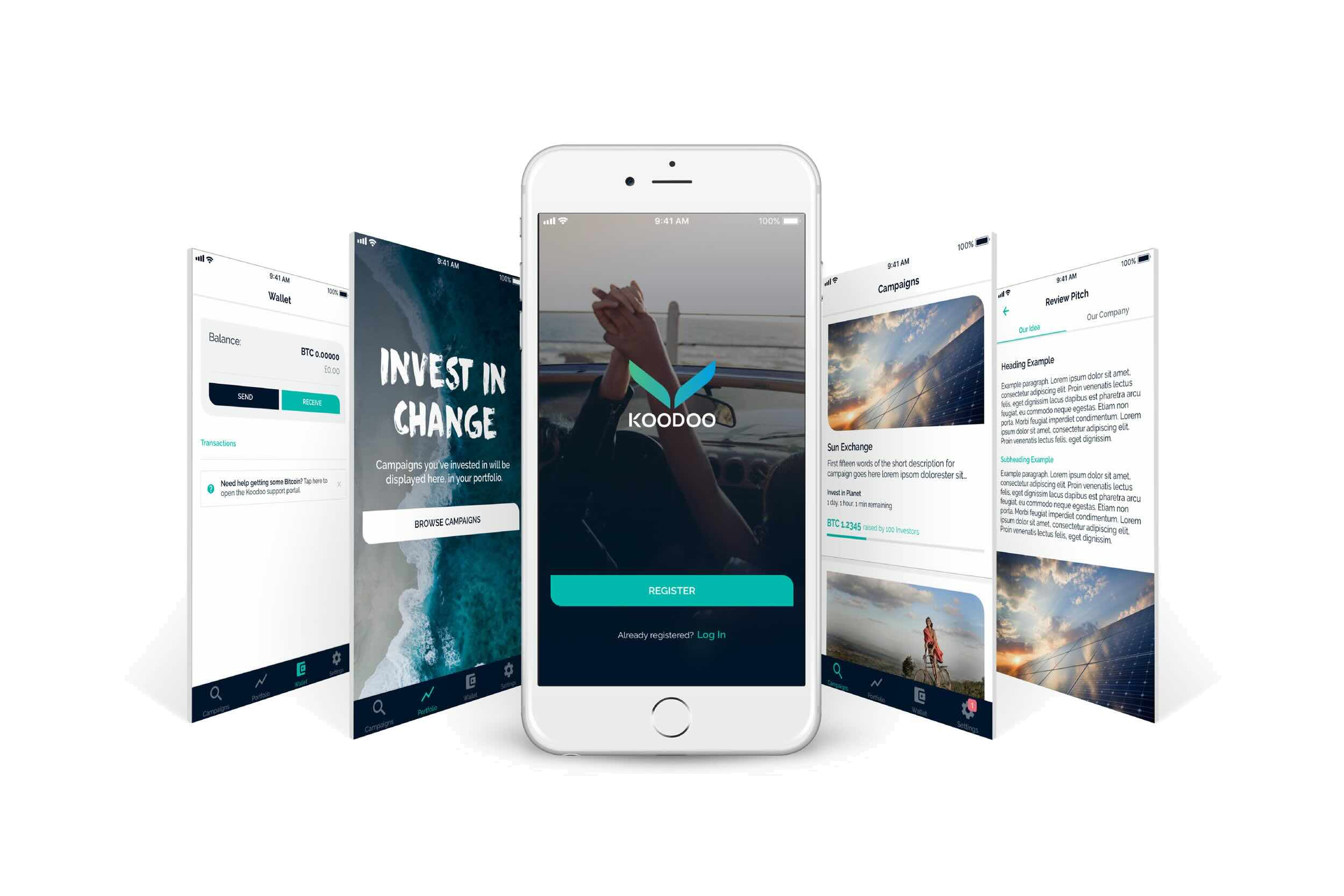
Our Koodoo App design
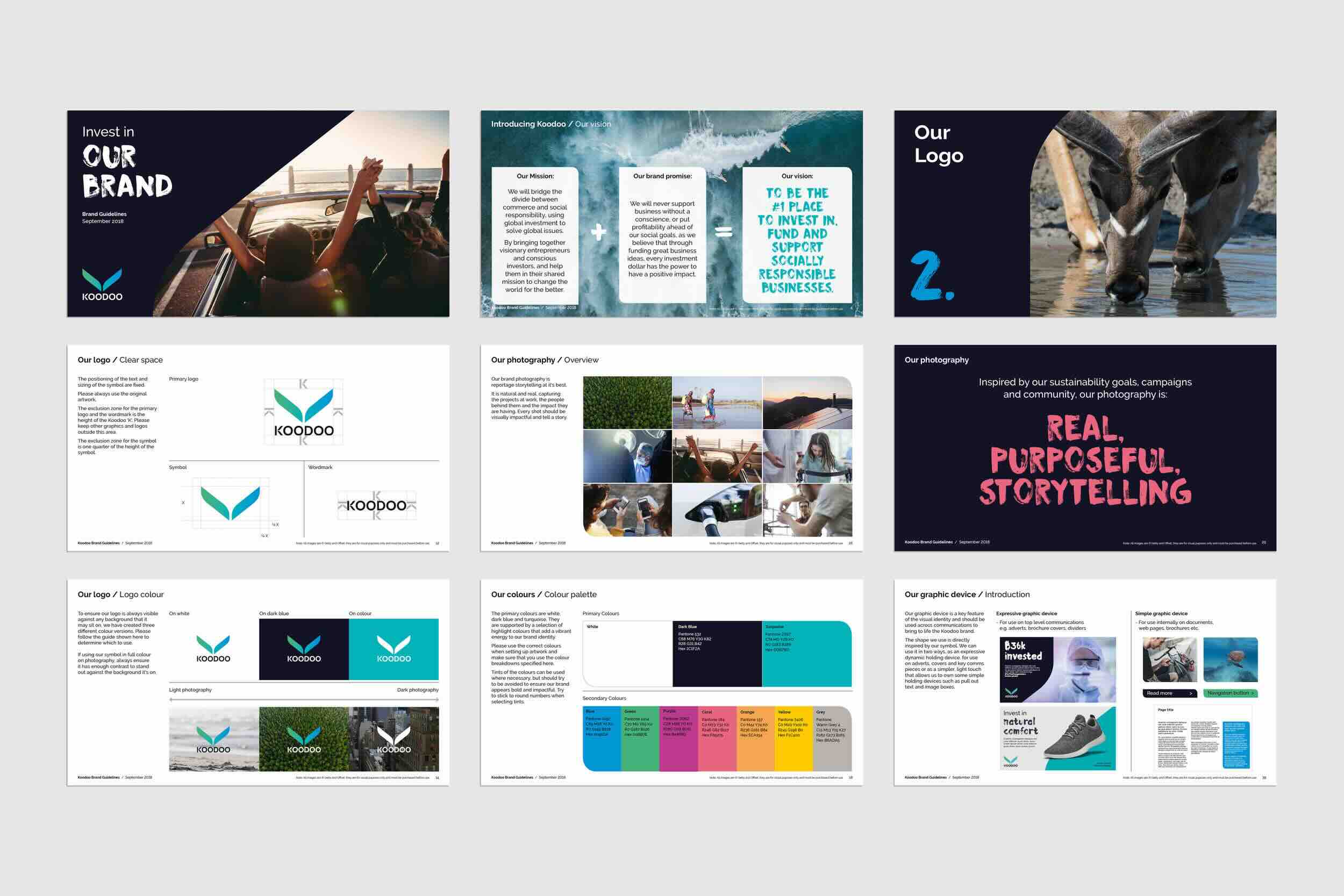
Our Koodoo rebranding process
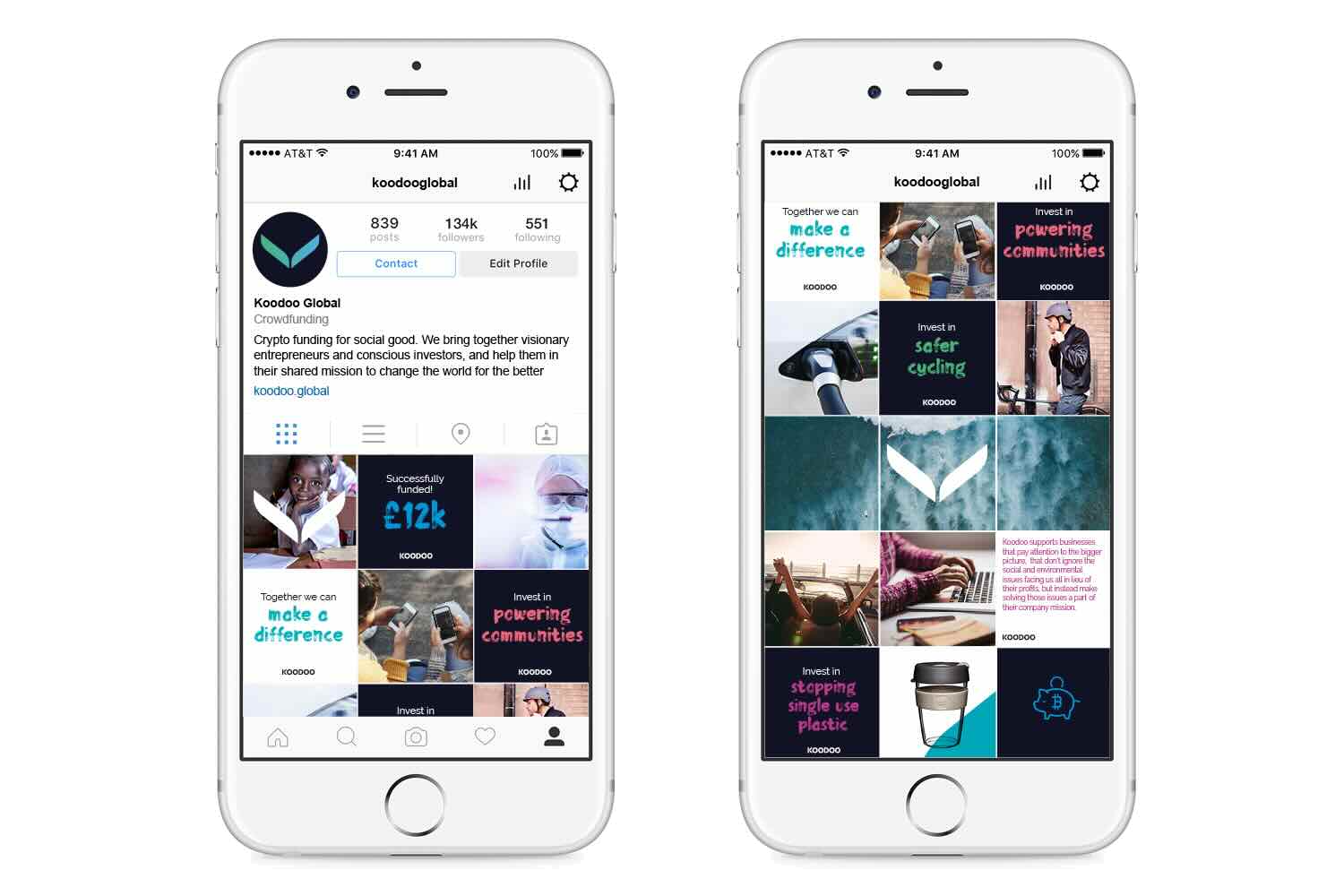
Koodoo social growth
The Breakthrough
When interim leadership accelerated everything
Our Koodoo App design
Our Koodoo rebranding process
Koodoo social growth
Koodoo Global's blockchain payment platform had promise but no operational foundation. The UN Sustainable Development Goals aligned startup needed someone to rebuild everything: team structure, product vision, go-to-market strategy, even basic company culture. A traditional consulting engagement would take months just to understand the complexity. Instead, I stepped in as interim CEO, combining our methodology with executive authority. In my opinion, this hybrid approach unlocked transformation velocity impossible through external consulting relationships alone and became a new playbook for future engagements.
The organisational restructure came first. Rather than analysing org charts from the sidelines, I could make immediate decisions about team composition, reporting structures, and role clarity. Within six weeks, we'd rightsized the team for sustainable growth and hired strategically for market expansion across three continents. Blockchain payment infrastructure required both technical sophistication and regulatory compliance, exactly the combination that kills most fintech startups. My Crowdcube experience with FCA frameworks proved invaluable. While maintaining startup velocity, we built exchange APIs and tokenised smart contracts that met institutional compliance standards. The platform launched across fiat and crypto simultaneously.
"Strategy without execution remains theoretical, and useless."
The metrics-driven culture installation followed. MixPanel for user analytics, Zoho for customer management, Asana for project coordination, HubSpot for sales pipeline, but integrated through human processes rather than hoping technology would solve organisational problems. Most importantly, this interim approach allowed real-time methodology validation from both sides of the table. Rather than recommending OKR implementation, I could install and iterate based on team response. Instead of suggesting process improvements, I could implement and measure results immediately. The feedback loops were incredibly helpful in shaping our approach allowing me to try out our own methodologies.
The Digital Catapult programmes reinforced this learning across three separate cohorts: sustainability, AI, and deep tech. Each cohort presented different scaling challenges, allowing methodology refinement across diverse market conditions. The fact that we maintained ongoing relationships with a third of participants post-programme validated the capability transfer approach.
The breakthrough realisation: the most effective transformation happens when methodology fuses with executive authority. Interim leadership roles provided this authority while maintaining venture-building methodology focus. Strategy without implementation power remains theoretical, but when systematic frameworks combine with decision-making capability, transformation becomes inevitable rather than aspirational.
Innovation & Execution
Systematising breakthrough performance across operations
Propelia's awesome founder, Dan, had built an impressive founder accelerator programme with a really novel USP but struggled with sustainable client acquisition, particularly on the investor side. The FLIGHTPATH and AIRSPACE proprietary tools were sophisticated, the 70+ founder success stories compelling, but the investor partner pipeline unpredictable. Revenue fluctuated wildly between quarters. As fractional Chief Growth Officer, I approached this challenge systematically. We engineered a repeatable multi-channel acquisition strategy with a lot of tests and experiments (many of which didn't work).
This began with customer journey mapping. We identified every touchpoint from initial awareness through to onboarding, then optimised each stage for conversion and retention. The application process became a filtering mechanism that increased quality, saved countless wasted meeting while reducing acquisition costs. The DEPARTURE DAY investor presentations became content marketing that attracted new founders and investors. Custom system integration was crucial. We built Hubspot and Notion synced architectures that connected prospect tracking, content and sales messaging testing analytics, programme delivery, and investor relations in one operational backbone. This enabled real-time pipeline visibility and systematic bottleneck identification.
"The difference between growth and scale: growth can be bought, scale must be designed. The operational infrastructure you create today determines the velocity you'll achieve tomorrow."
The multi-channel growth engineering combined content strategy, partnership development, and direct outreach through coordinated campaigns. Each channel reinforced the others. Blog and article content attracted prospects, partnership events converted them, direct outreach accelerated decisions. Within three months, Propelia had a sustainable client backlog that extended beyond immediate capacity. The methodology transfer occurred simultaneously. Rather than managing growth as an external service, I embedded the entire system within their internal team. The fractional CGO model provided hands-on guidance while building internal capability for sustainable execution after I was gone.
This systematic approach delivered consistent results across diverse client challenges and opportunities. The Knowledge Management Institute achieved 41% SaaS cost reduction while hitting OKRs for the first time. Godwin Group combined £320k monthly overhead reduction with 32% revenue increase, proving that scaling up economics could deliver both efficiency and growth simultaneously. The pattern became clear across all engagements: venture-building methodology applied to operational architecture creates sustainable competitive advantages.
These competitive advantages compound over time because they're built into organisational DNA rather than dependent on external intervention. Teams develop internal capability to identify bottlenecks, test solutions, and iterate improvements using systematic frameworks. The difference between growth and scale becomes evident: growth can be bought through marketing spend or sales investment, but scale must be built through operational infrastructure that can handle increasing complexity without proportional overhead increases.
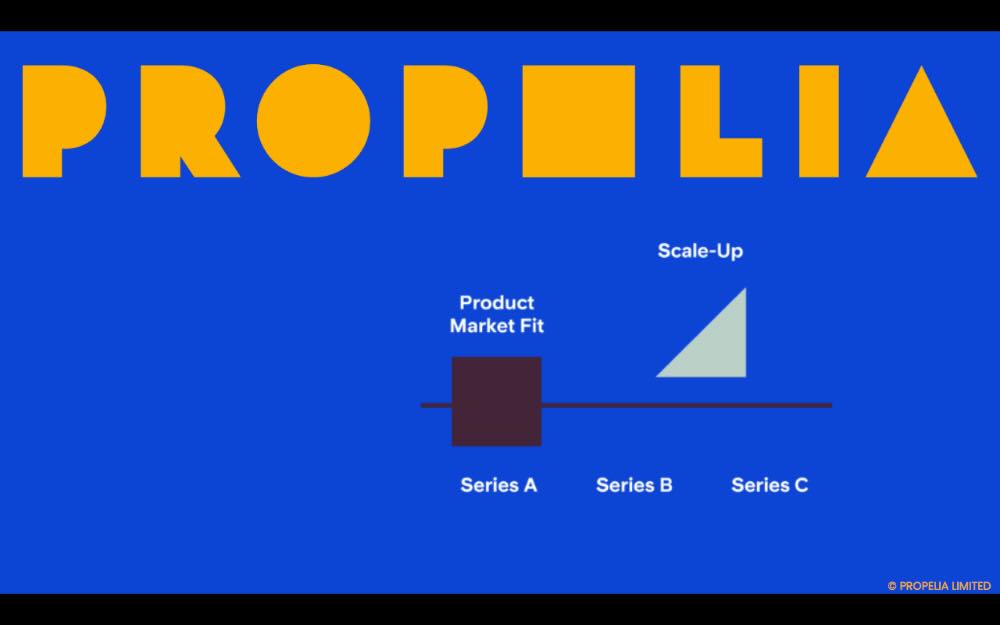
Loved working with the incredible Dan at Propelia
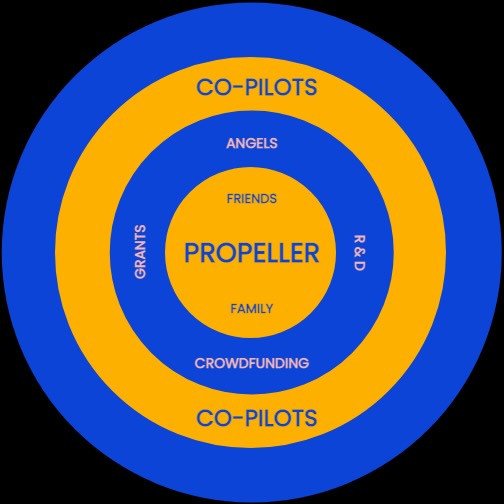
The 'propeller' at the centre is what creates founder-startup fit
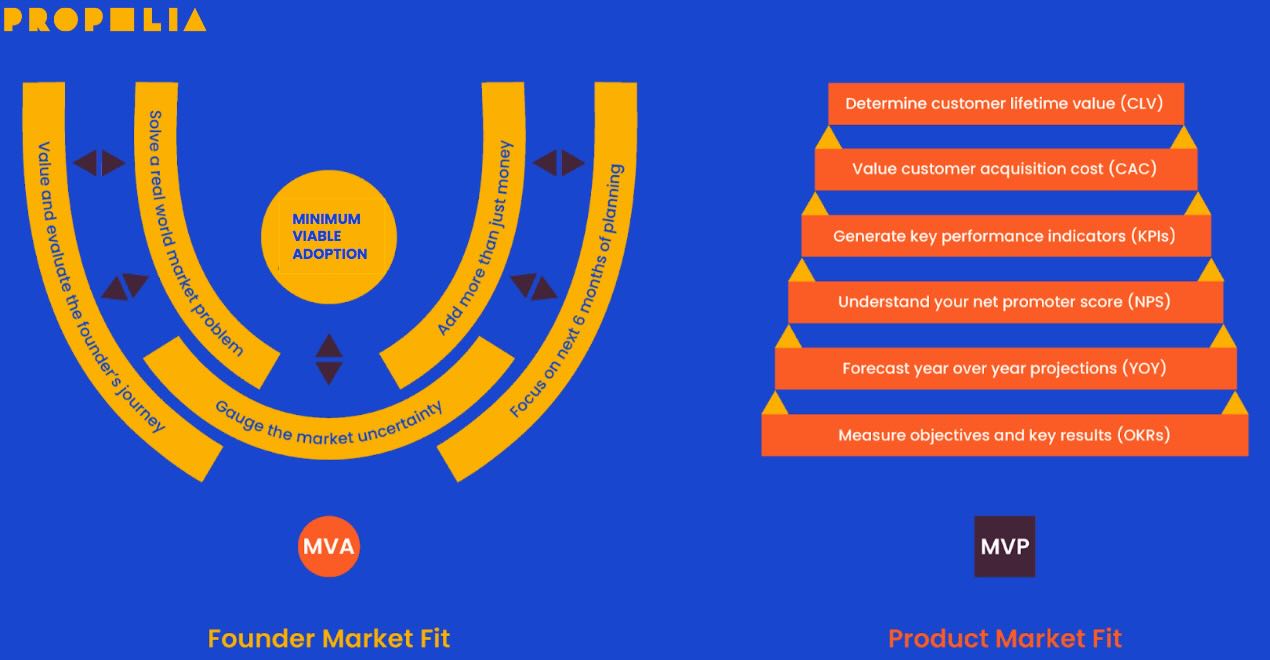
The difference between Founder Market Fit & Product Market Fit
Innovation & Execution
Systematising breakthrough performance across operations
Loved working with the incredible Dan at Propelia
The 'propeller' at the centre is what creates founder-startup fit
The difference between Founder Market Fit & Product Market Fit
Propelia's awesome founder, Dan, had built an impressive founder accelerator programme with a really novel USP but struggled with sustainable client acquisition, particularly on the investor side. The FLIGHTPATH and AIRSPACE proprietary tools were sophisticated, the 70+ founder success stories compelling, but the investor partner pipeline unpredictable. Revenue fluctuated wildly between quarters. As fractional Chief Growth Officer, I approached this challenge systematically. We engineered a repeatable multi-channel acquisition strategy with a lot of tests and experiments (many of which didn't work).
This began with customer journey mapping. We identified every touchpoint from initial awareness through to onboarding, then optimised each stage for conversion and retention. The application process became a filtering mechanism that increased quality, saved countless wasted meeting while reducing acquisition costs. The DEPARTURE DAY investor presentations became content marketing that attracted new founders and investors. Custom system integration was crucial. We built Hubspot and Notion synced architectures that connected prospect tracking, content and sales messaging testing analytics, programme delivery, and investor relations in one operational backbone. This enabled real-time pipeline visibility and systematic bottleneck identification.
"The difference between growth and scale: growth can be bought, scale must be designed. The operational infrastructure you create today determines the velocity you'll achieve tomorrow."
The multi-channel growth engineering combined content strategy, partnership development, and direct outreach through coordinated campaigns. Each channel reinforced the others. Blog and article content attracted prospects, partnership events converted them, direct outreach accelerated decisions. Within three months, Propelia had a sustainable client backlog that extended beyond immediate capacity. The methodology transfer occurred simultaneously. Rather than managing growth as an external service, I embedded the entire system within their internal team. The fractional CGO model provided hands-on guidance while building internal capability for sustainable execution after I was gone.
This systematic approach delivered consistent results across diverse client challenges and opportunities. The Knowledge Management Institute achieved 41% SaaS cost reduction while hitting OKRs for the first time. Godwin Group combined £320k monthly overhead reduction with 32% revenue increase, proving that scaling up economics could deliver both efficiency and growth simultaneously. The pattern became clear across all engagements: venture-building methodology applied to operational architecture creates sustainable competitive advantages.
These competitive advantages compound over time because they're built into organisational DNA rather than dependent on external intervention. Teams develop internal capability to identify bottlenecks, test solutions, and iterate improvements using systematic frameworks. The difference between growth and scale becomes evident: growth can be bought through marketing spend or sales investment, but scale must be built through operational infrastructure that can handle increasing complexity without proportional overhead increases.
Scaling & Growth
Building influence across the startup ecosystem
The irony was perfect: Xponential Spark began as a side project to help entrepreneurs I'd worked with at Crowdcube. The constant requests for additional consulting support revealed a gap in the market. Scaling companies needed embedded expertise post funding, not traditional consulting approaches. The evolution trajectory followed network effects rather than linear growth. Each successful client engagement generated referrals within their ecosystem. Accelerator partnerships with Techstars, Virgin Startups, and Founder Institute created cross-pollination between corporate transformation clients and startup methodology development.
Education and authority building amplified this network effect. Teaching "Investment 101" at Jolt exposed hundreds of founders to my fundraising methodology, while leading Techstars Startup Weekend programmes for provided continuous methodology testing with early-stage entrepreneurs. Each educational engagement refined our approaches while building ecosystem relationships. The more we embedded with scaling companies, the better our programme delivery became, creating a virtuous cycle of methodology improvement and market credibility.
"True ecosystem integration means your success becomes intertwined with market health. When everyone wins, individual optimisation becomes less important than collective advancement."
The revenue model innovation reflected this ecosystem integration: fractional C-suite roles provided deep client engagement, strategic consulting enabled broader market access, accelerator partnerships created methodology development opportunities and corporate innovation gigs allowed me to inject startup agility into tired, old school businesses. .
I was fortunate to be a part of the APPG for Entrepreneurship, completing the ecosystem integration. Startup experience fed directly into governmental policy development, while regulatory insights improved our client delivery. The perspective gained from working with 250+ scaling companies informed APPG recommendations, creating systemic impact beyond individual client transformations. This positioned Xponential Spark as far more than just another consulting firm.
The compound effect became self-reinforcing: client success generated ecosystem credibility, which attracted higher-quality partnerships, which improved methodology development, which enhanced client outcomes. Nonetheless, it was time for something new and exciting, back on the coal face of entrepreneurship...Juno was born.
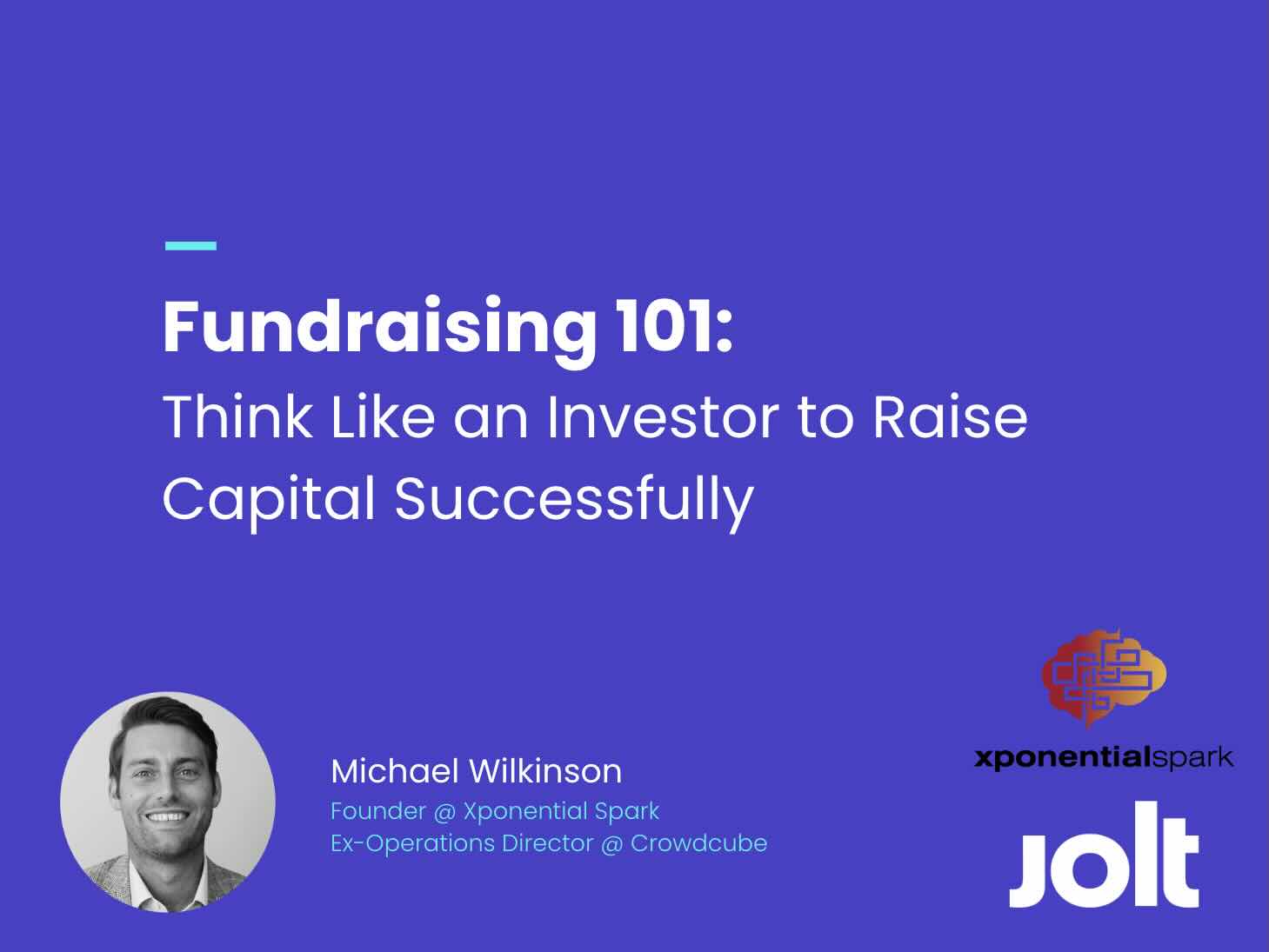
One of the courses I taught on the Jolt Founder MBA
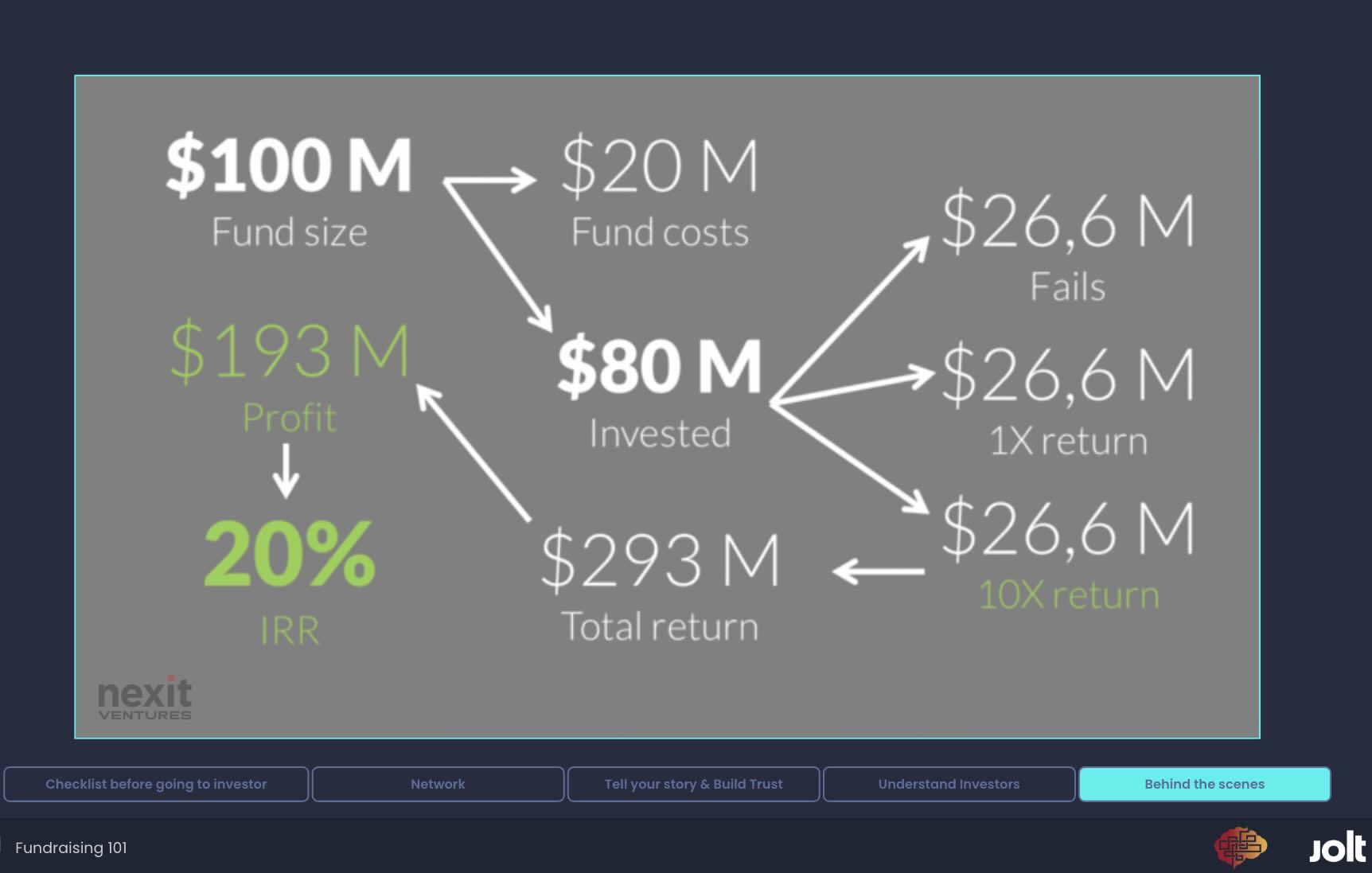
Explaining IRR and what investors are looking for on my Jolt investor course
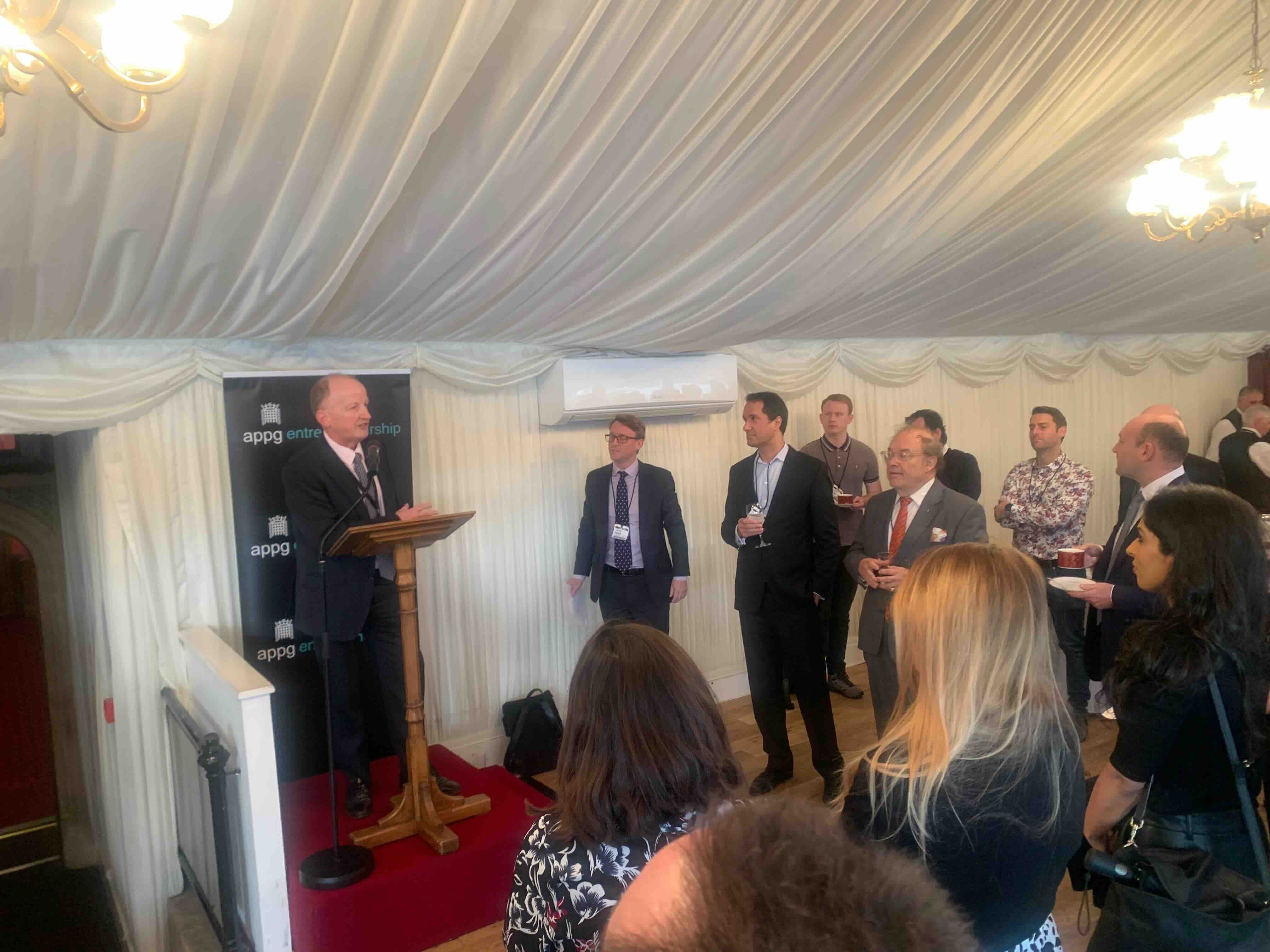
One of our APPG for Entrepreneurship sessions (excuse my flowery shirt)
Scaling & Growth
Building influence across the startup ecosystem
One of the courses I taught on the Jolt Founder MBA
Explaining IRR and what investors are looking for on my Jolt investor course
One of our APPG for Entrepreneurship sessions (excuse my flowery shirt)
The irony was perfect: Xponential Spark began as a side project to help entrepreneurs I'd worked with at Crowdcube. The constant requests for additional consulting support revealed a gap in the market. Scaling companies needed embedded expertise post funding, not traditional consulting approaches. The evolution trajectory followed network effects rather than linear growth. Each successful client engagement generated referrals within their ecosystem. Accelerator partnerships with Techstars, Virgin Startups, and Founder Institute created cross-pollination between corporate transformation clients and startup methodology development.
Education and authority building amplified this network effect. Teaching "Investment 101" at Jolt exposed hundreds of founders to my fundraising methodology, while leading Techstars Startup Weekend programmes for provided continuous methodology testing with early-stage entrepreneurs. Each educational engagement refined our approaches while building ecosystem relationships. The more we embedded with scaling companies, the better our programme delivery became, creating a virtuous cycle of methodology improvement and market credibility.
"True ecosystem integration means your success becomes intertwined with market health. When everyone wins, individual optimisation becomes less important than collective advancement."
The revenue model innovation reflected this ecosystem integration: fractional C-suite roles provided deep client engagement, strategic consulting enabled broader market access, accelerator partnerships created methodology development opportunities and corporate innovation gigs allowed me to inject startup agility into tired, old school businesses. .
I was fortunate to be a part of the APPG for Entrepreneurship, completing the ecosystem integration. Startup experience fed directly into governmental policy development, while regulatory insights improved our client delivery. The perspective gained from working with 250+ scaling companies informed APPG recommendations, creating systemic impact beyond individual client transformations. This positioned Xponential Spark as far more than just another consulting firm.
The compound effect became self-reinforcing: client success generated ecosystem credibility, which attracted higher-quality partnerships, which improved methodology development, which enhanced client outcomes. Nonetheless, it was time for something new and exciting, back on the coal face of entrepreneurship...Juno was born.
The Legacy
What remains when consultants become unnecessary
A few years after our Knowledge Management Institute engagement ended, their CEO sent an update: they'd evolved our work together significantly, adapting our frameworks for new market opportunities, namely a launch into the African market. Most consulting creates temporary improvement followed by gradual decay. I'm still incredibly proud that we did things differently.
Our sustainable transformation approach required front-loading complexity into the engagement design. Rather than optimising for quick wins and vanity metrics (oh yes how we've all chased those), we focused on building internal expertise that could evolve independently. The custom Notion architectures became operational backbones that teams customised for changing needs. The OKR cultures developed momentum that survived leadership transitions and market shifts. Methodology propagation across the ecosystem created unexpected leverage. I catch up with our former clients from time to time and know that many of our ideas live on in new ventures and career transitions.
"The highest accolade in consulting is obsolescence. When clients develop internal capability that surpasses external involvement, transformation becomes irreversible."
Digital Catapult participants maintained ongoing relationships beyond formal programmes. I love seeing the peer learning networks that continue developing shared approaches. Now I'm humble enough to realise that we were not the first or the only consultants applying this type of thinking, far from it. It's great to see that the sprint planning and venture-building methodologies filtering through the UK's startup community as they navigate the messy middle.
The work that the APPG for Entrepreneurship do is wonderful and I'm incredibly proud to have been leaned on for insights and ideas alongside a far wider group, many of whom are far more qualified than I, at The Entrepreneurs Network. Nonetheless, the intersection of practical experience and policy development created systemic impact that influenced how government approaches startup support and regulation.
The real measure of success: our clients no longer needed us. In my humble opinion, this is the highest accolade one can have bestowed upon them in the consulting space. Creating obsolescence through empowerment rather than dependency through complexity.
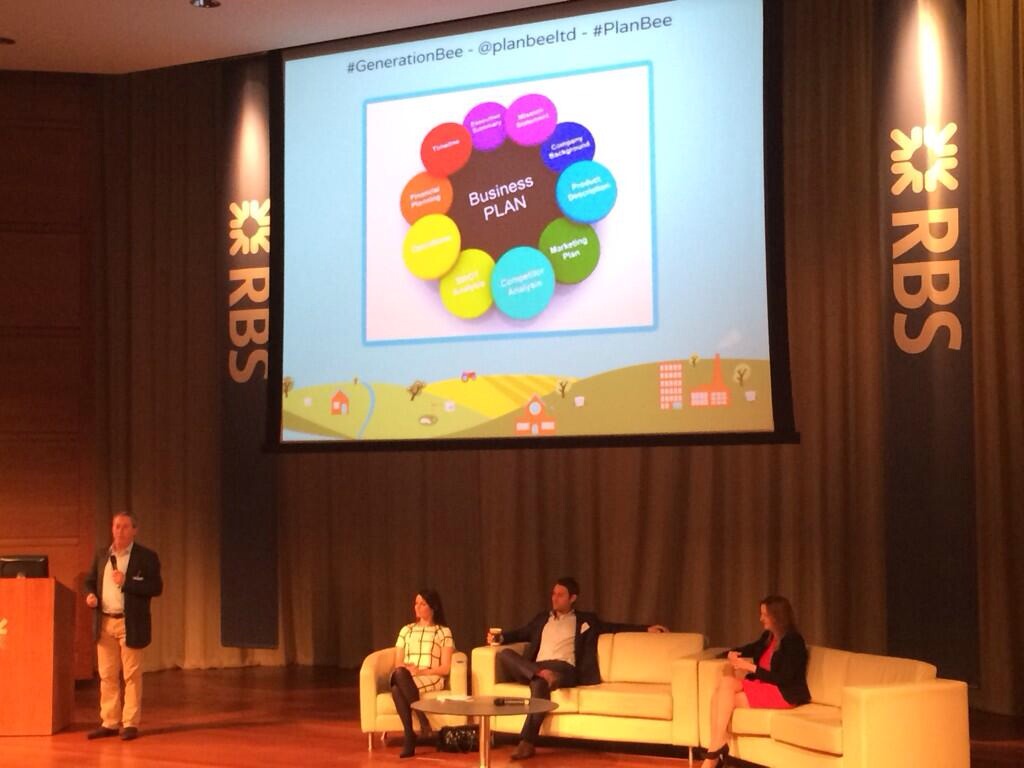
Speaking alongside my entrepreneurs at RBS HQ on applying startups lessons to blue chip companies
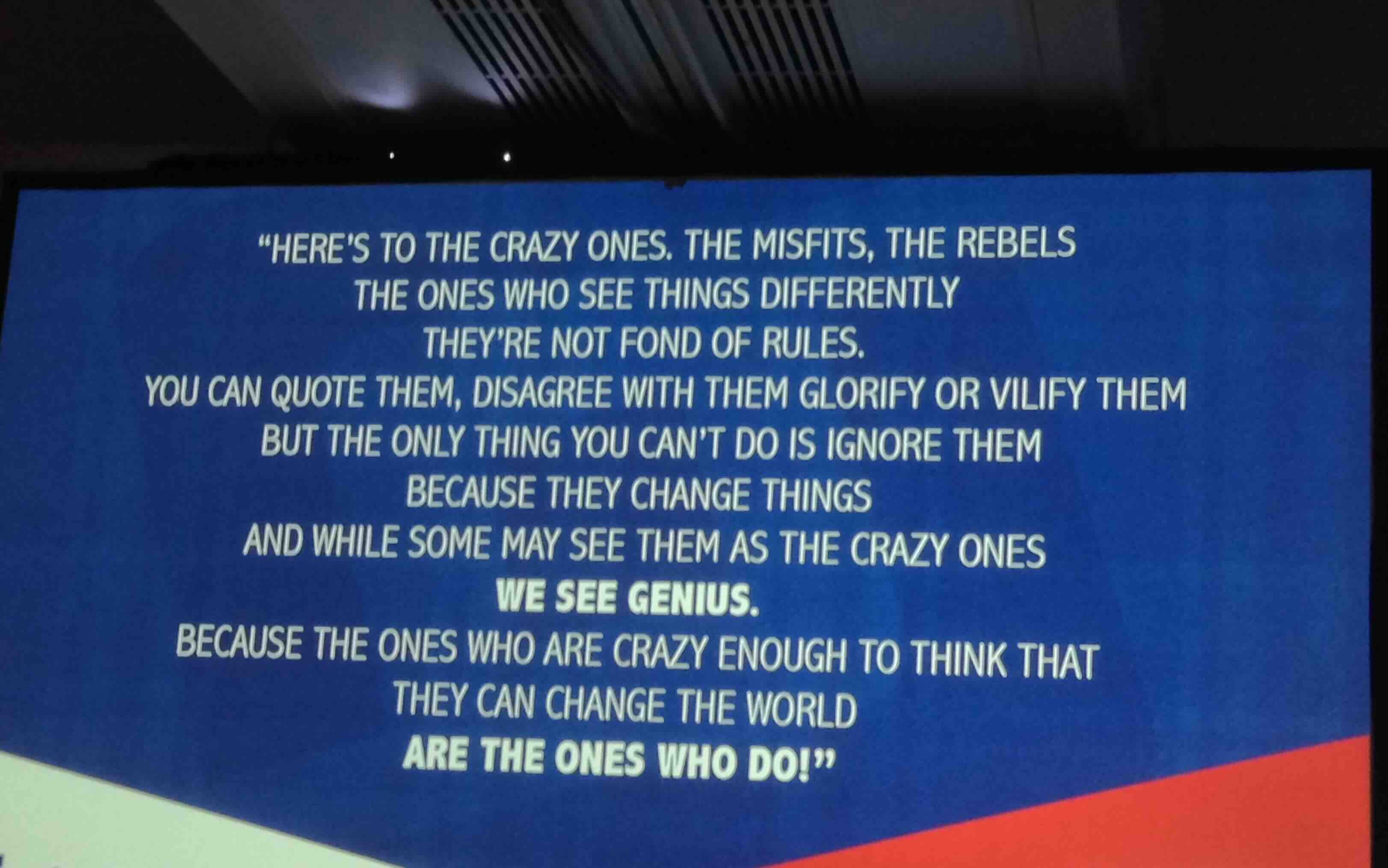
This will forever resonate with me
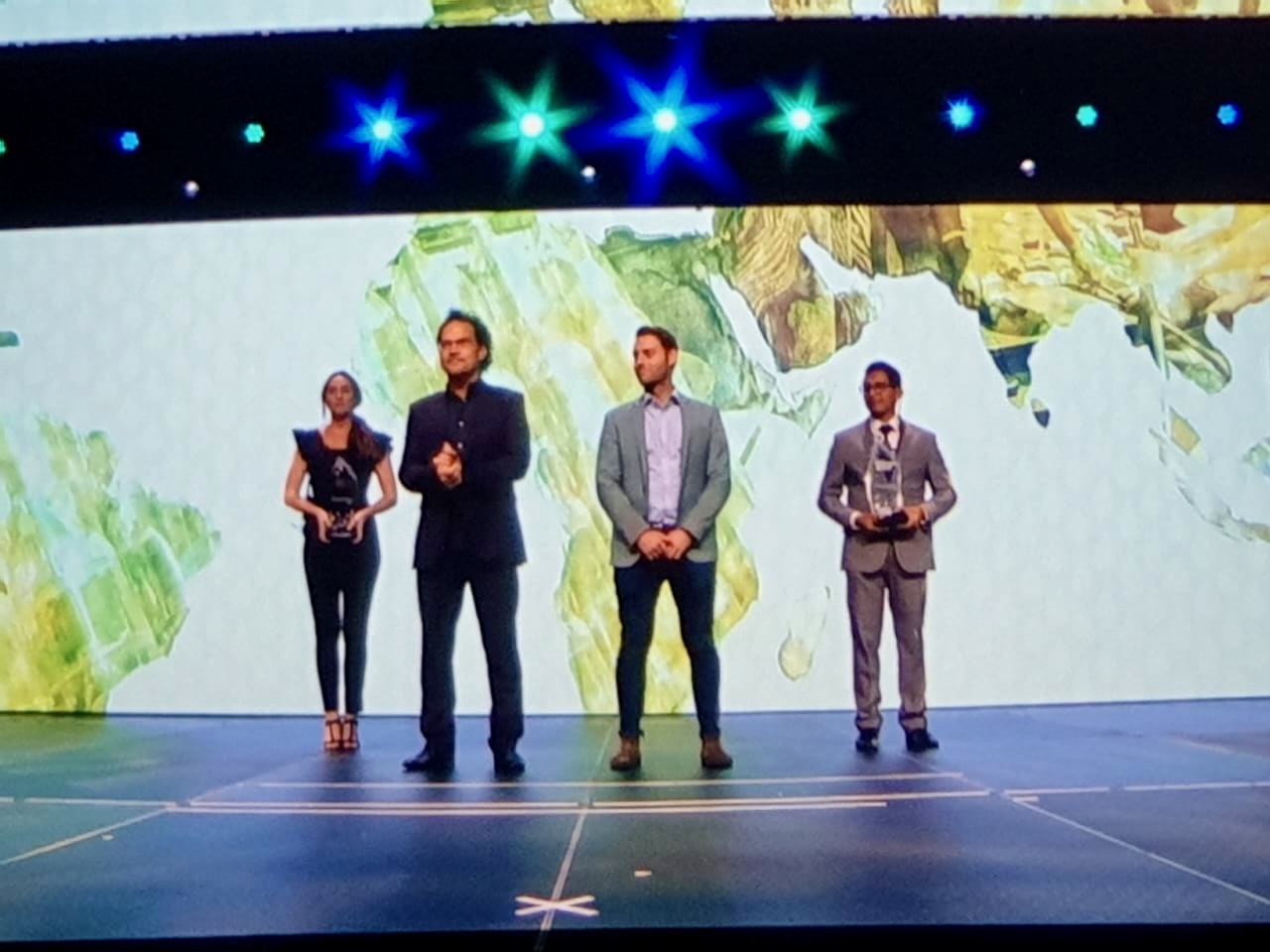
Giving out an award in San Francisco
The Legacy
What remains when consultants become unnecessary
Speaking alongside my entrepreneurs at RBS HQ on applying startups lessons to blue chip companies
This will forever resonate with me
Giving out an award in San Francisco
A few years after our Knowledge Management Institute engagement ended, their CEO sent an update: they'd evolved our work together significantly, adapting our frameworks for new market opportunities, namely a launch into the African market. Most consulting creates temporary improvement followed by gradual decay. I'm still incredibly proud that we did things differently.
Our sustainable transformation approach required front-loading complexity into the engagement design. Rather than optimising for quick wins and vanity metrics (oh yes how we've all chased those), we focused on building internal expertise that could evolve independently. The custom Notion architectures became operational backbones that teams customised for changing needs. The OKR cultures developed momentum that survived leadership transitions and market shifts. Methodology propagation across the ecosystem created unexpected leverage. I catch up with our former clients from time to time and know that many of our ideas live on in new ventures and career transitions.
"The highest accolade in consulting is obsolescence. When clients develop internal capability that surpasses external involvement, transformation becomes irreversible."
Digital Catapult participants maintained ongoing relationships beyond formal programmes. I love seeing the peer learning networks that continue developing shared approaches. Now I'm humble enough to realise that we were not the first or the only consultants applying this type of thinking, far from it. It's great to see that the sprint planning and venture-building methodologies filtering through the UK's startup community as they navigate the messy middle.
The work that the APPG for Entrepreneurship do is wonderful and I'm incredibly proud to have been leaned on for insights and ideas alongside a far wider group, many of whom are far more qualified than I, at The Entrepreneurs Network. Nonetheless, the intersection of practical experience and policy development created systemic impact that influenced how government approaches startup support and regulation.
The real measure of success: our clients no longer needed us. In my humble opinion, this is the highest accolade one can have bestowed upon them in the consulting space. Creating obsolescence through empowerment rather than dependency through complexity.
What This Taught Me
The lessons I carry with me
2020 brought an unexpected decision point (nothing Covid related, don't panic). After co-founding Juno at the start of the year, the constant demands of building a startup made clear that something had to give. Xponential Spark still had pretty strong client demand, but the consultancy required constant personal involvement. The choice: hire a team to scale the consulting business or press pause and shut down to focus entirely on Juno. I chose the latter. The irony wasn't lost on me: I'd built a business that couldn't scale because it relied too heavily on my direct involvement.
The embedding methodology worked most of the time, but not all the time. had proven more challenging than anticipated. It delivered better results than traditional consulting, it also created bottlenecks that limited scalability. Not every client was ready for the big transformation that OKR implementation required, some preferred the comfort of existing inefficiencies because they knew and understood them. It's a lesson I've carried with me. Delivery depends entirely on client readiness for change. You can't force transformation on organisations that aren't culturally prepared to embrace them, regardless of how elegant your frameworks might be.
"Sometimes a change is as good as a break to relocate that spark that drives you."
Interim leadership roles had indeed accelerated transformation, but they also revealed the complexity of scaling consulting expertise. The Koodoo engagement succeeded partly because the situation was desperate enough that radical change felt necessary. Other interim roles faced more subtle organisational resistance; existing power structures, entrenched processes, and risk-averse cultures that made systematic change feel threatening rather than empowering. Crisis creates clarity: transformation happens fastest when the status quo is unsustainable. Without burning platform urgency, more often than not you'll face cultural headwinds that slow progress. How you deal with those is far more complex topic.
A few engagements (I shall name no names) struggled when leadership teams, or certain leadership stakeholders resisted. The Knowledge Management Institute's success was real, but it required leadership genuinely committed to operational evolution rather than cosmetic change. Whenever I work with someone new I will qualify and stress test client commitment (of all the key stakeholders) rigorously before engagement. Leaders MUST be willing to examine their own decision-making processes, not just grade their team's performance.
Closing down Xponential Spark reflected a simple preference at that point in my life and career: building a new company in an exciting space was more compelling than teaching others how to build them. Juno demanded full attention, and maintaining Xponential Spark alongside this proved impossible. Sometimes a change is as good as a break to recreate that spark that drives you.
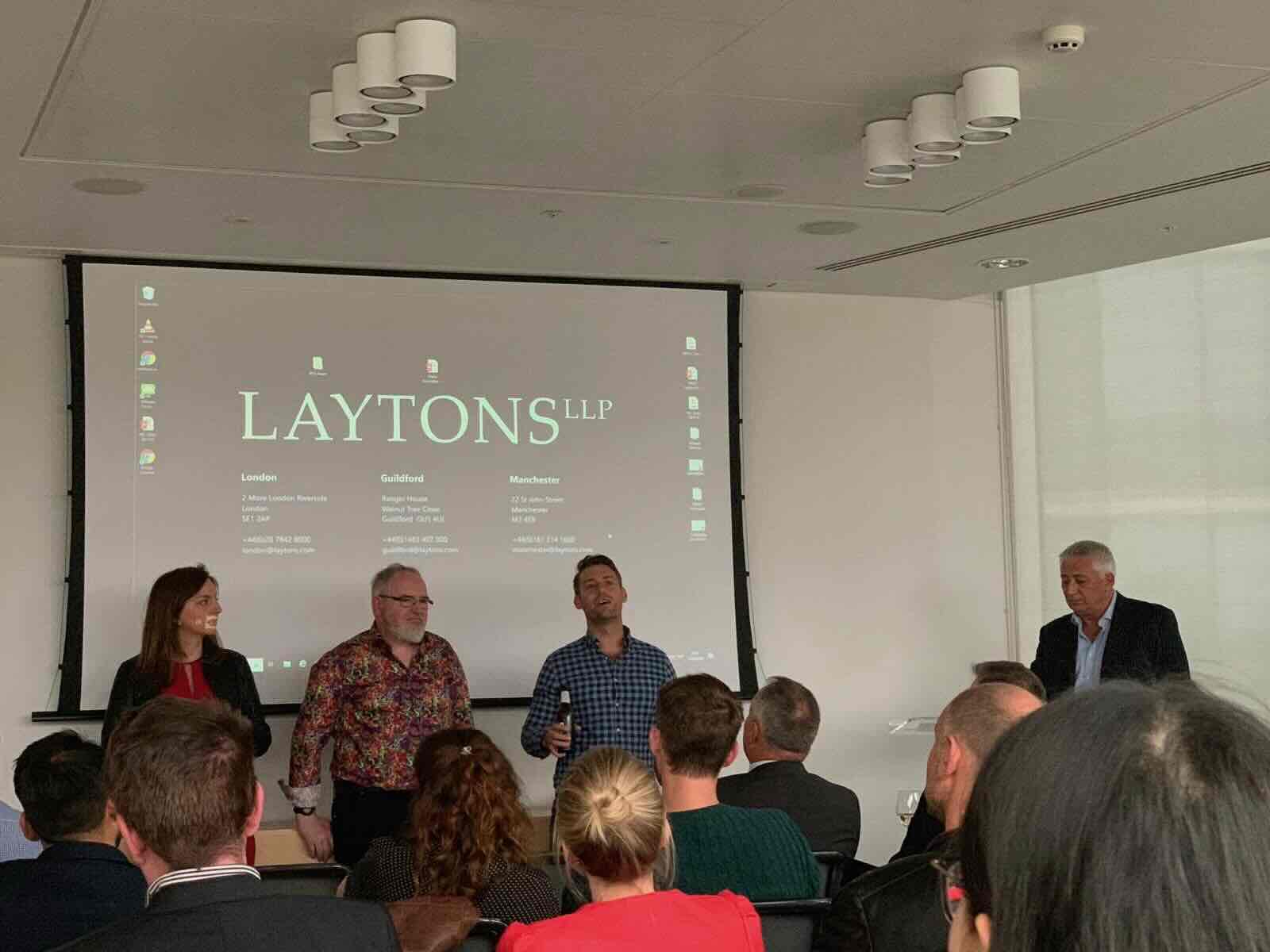
Speaking at Laytons LLP on using startup agility to solve legal industry inefficiencies
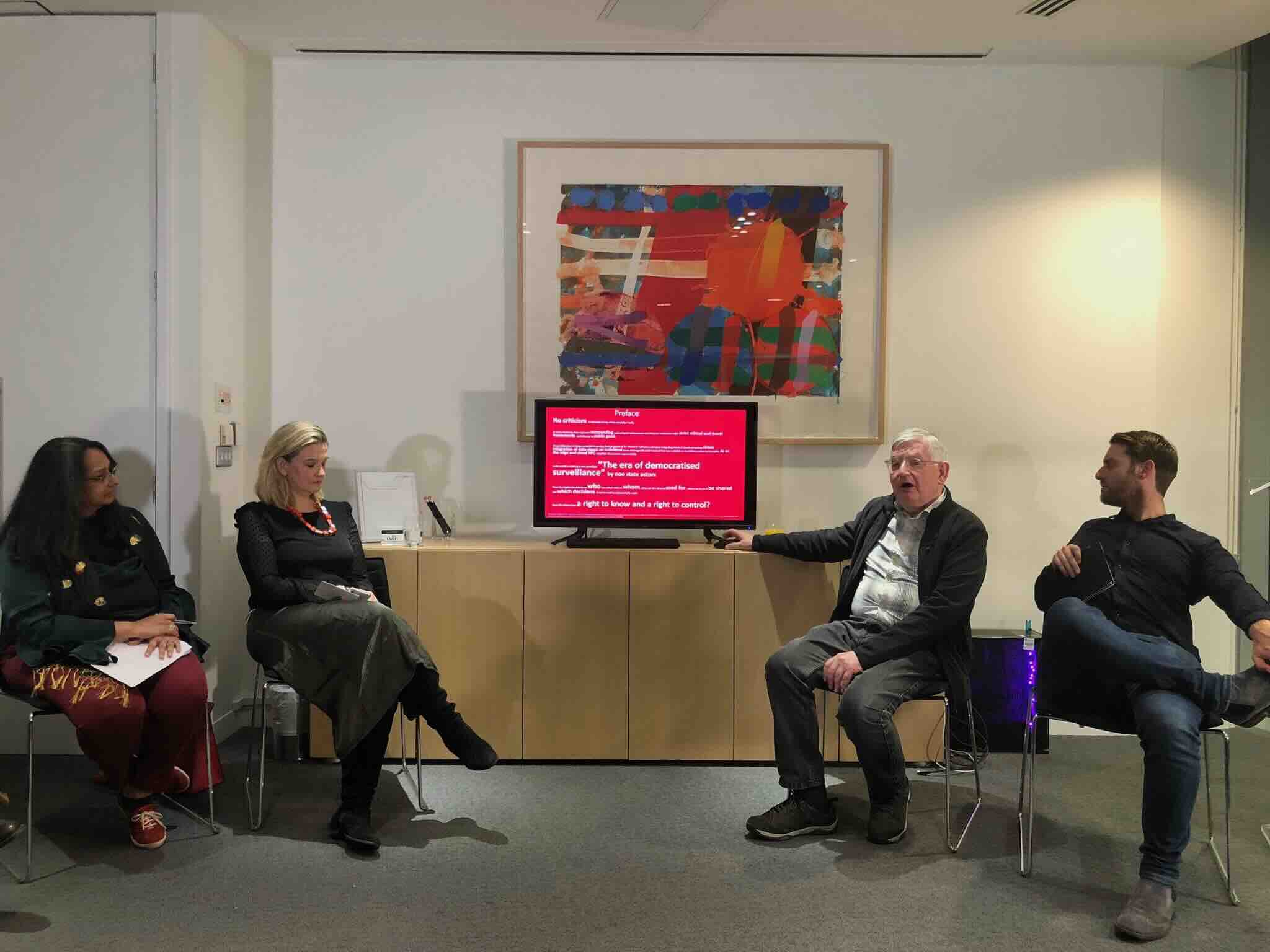
On a panel about the age of surveillance capitalism
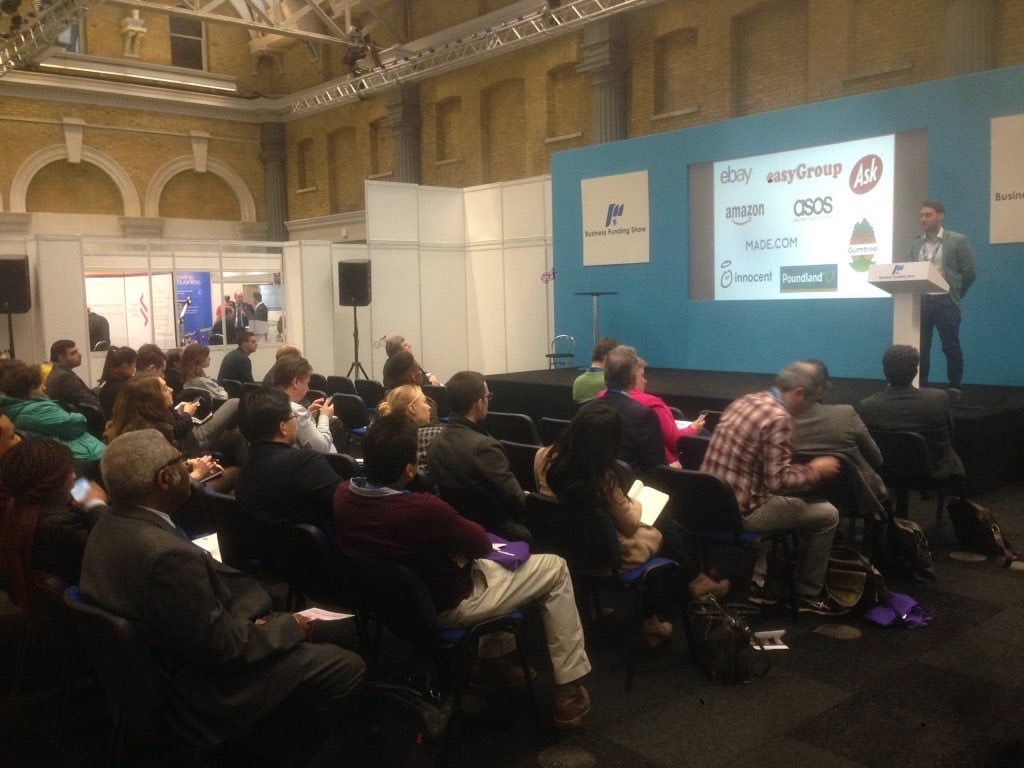
Speaking on Series A+ fundraising strategy at the Business Funding Show
What This Taught Me
The lessons I carry with me
Speaking at Laytons LLP on using startup agility to solve legal industry inefficiencies
On a panel about the age of surveillance capitalism
Speaking on Series A+ fundraising strategy at the Business Funding Show
2020 brought an unexpected decision point (nothing Covid related, don't panic). After co-founding Juno at the start of the year, the constant demands of building a startup made clear that something had to give. Xponential Spark still had pretty strong client demand, but the consultancy required constant personal involvement. The choice: hire a team to scale the consulting business or press pause and shut down to focus entirely on Juno. I chose the latter. The irony wasn't lost on me: I'd built a business that couldn't scale because it relied too heavily on my direct involvement.
The embedding methodology worked most of the time, but not all the time. had proven more challenging than anticipated. It delivered better results than traditional consulting, it also created bottlenecks that limited scalability. Not every client was ready for the big transformation that OKR implementation required, some preferred the comfort of existing inefficiencies because they knew and understood them. It's a lesson I've carried with me. Delivery depends entirely on client readiness for change. You can't force transformation on organisations that aren't culturally prepared to embrace them, regardless of how elegant your frameworks might be.
"Sometimes a change is as good as a break to relocate that spark that drives you."
Interim leadership roles had indeed accelerated transformation, but they also revealed the complexity of scaling consulting expertise. The Koodoo engagement succeeded partly because the situation was desperate enough that radical change felt necessary. Other interim roles faced more subtle organisational resistance; existing power structures, entrenched processes, and risk-averse cultures that made systematic change feel threatening rather than empowering. Crisis creates clarity: transformation happens fastest when the status quo is unsustainable. Without burning platform urgency, more often than not you'll face cultural headwinds that slow progress. How you deal with those is far more complex topic.
A few engagements (I shall name no names) struggled when leadership teams, or certain leadership stakeholders resisted. The Knowledge Management Institute's success was real, but it required leadership genuinely committed to operational evolution rather than cosmetic change. Whenever I work with someone new I will qualify and stress test client commitment (of all the key stakeholders) rigorously before engagement. Leaders MUST be willing to examine their own decision-making processes, not just grade their team's performance.
Closing down Xponential Spark reflected a simple preference at that point in my life and career: building a new company in an exciting space was more compelling than teaching others how to build them. Juno demanded full attention, and maintaining Xponential Spark alongside this proved impossible. Sometimes a change is as good as a break to recreate that spark that drives you.
"Innovation ecosystems thrive when we create connections between visionary thinking and practical execution."
Key Impact Metrics
Quantifying the transformation and lasting impact across multiple dimensions.
Startups & Scaleups Supported
Startups and scale-ups supported through consulting & accelerators
Month Client Waitlist
Client backlog built through multi-channel acquisition strategy at Propelia
SaaS Cost Reduction
Savings made through SaaS recalibration at KMI
Revenue Growth
Revenue growth over 9 months
Monthly Overhead Savings
Savings made by automating processes and digitising product journeys
Founders Educated
Founders I educated through Jolt and Techstars programmes
Years of Strategic Partnerships
Partnerships with Tier-1 accelerators
OKR Delivery Rate
KMI consistently meeting 70% of OKR targets post engagement
Post Accelerator Engagements
Formal client engagements after the Digital Catapult programme delivery
Natwest
"Michael has been a tremendous contact to have met and then built up a relationship with. Clear commercial goals help me understand where we have the best opportunity to work together but that is also backed up by a passion and enthusiasm to assist our businesses. Collaboration is a key trait that I seek with many partners and Michael demonstrated this very well and very early on."
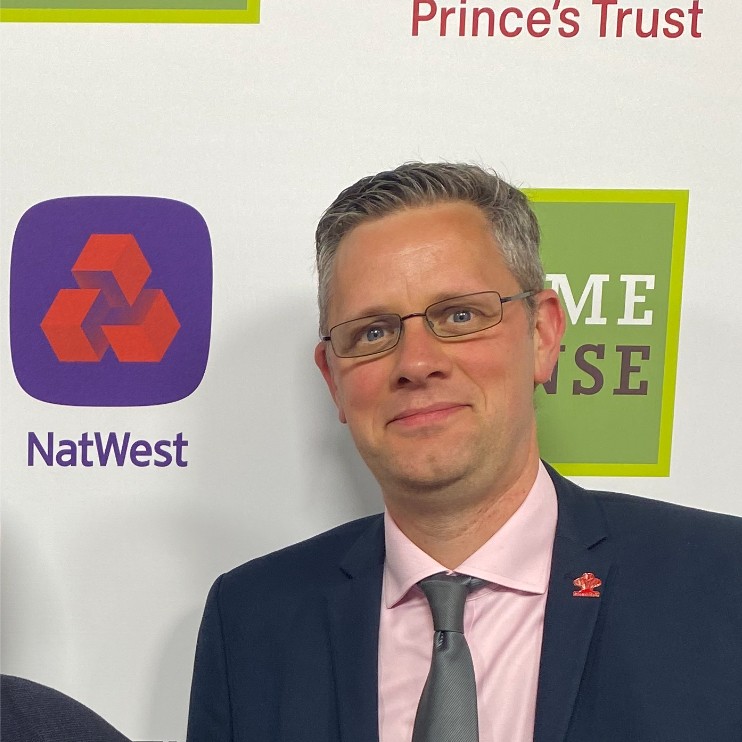
Nick Howe
UK Enterprise Manager
Koodoo
"We were in a tight spot and Michael brought velocity and discipline. He's got a knack of unpicking technical complexity in a methodical way and helping non-techies get it. He's a great motivator and lot of fun after a beer or two as well."

Brandon Kerzner
Founder
Founders Institute
"Michael has a great knowledge and understanding of how to navigate the startup ecosystem. He was a great mentor. The cohort loved his energy, his thought provoking questions and his crowdfunding knowledge, which is really second to none. You're welcome back anytime."

Naimul Abd
Director
The Accelerator Network
"Michael is an enthusiastic, passionate individual. Incredibly knowledgeable about early stage funding but also across the other areas for early stage growth. I've enjoyed working with Michael, and seen first-hand his expertise applied to the startups we work with across The Accelerator Network programmes."

Ian Merricks
Founder
Propelia
"Michael is really smart, focused and creative. He was a pleasure to work with."

Dan Simmons
Founder
Godwin Group
"Michael embedded himself in our leadership team from day one, challenging our thinking, ways of working and decision rhythms with a fresh perspective. Crucially, he didn’t drop a roadmap and disappear but stayed to execute with us. I'd recommend working with him."

Stephen Pratt
Director
Behind the Scenes
A glimpse into our journey